Description
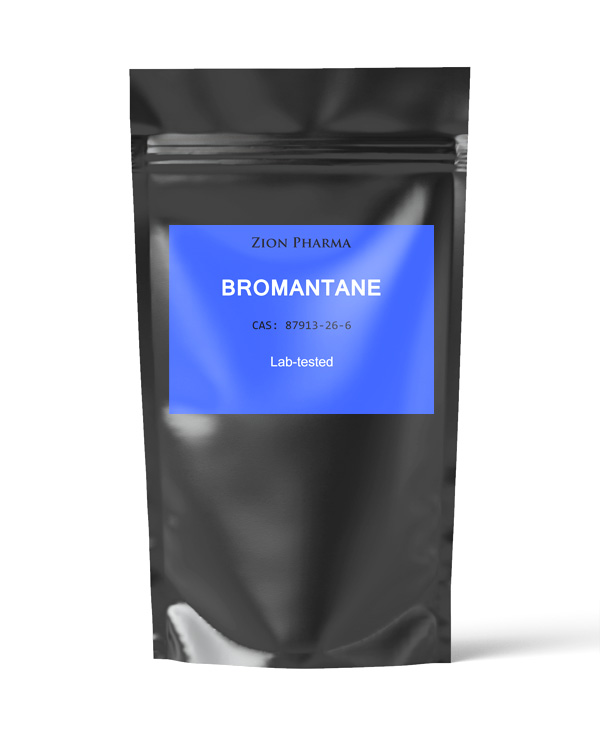
Bromantane
SKU: bromantane
For precise measurement, we recommend using a laboratory scale.
The product is not intended for human use. For collectors, hobbyists, education and research.
Bromantane, available in Russia under the brand name Ladasten, is an atypical central nervous system stimulant and anxiolytic medication that belongs to the adamantane family (together with drugs such as amantadine or memantine). While it does not possess a single property that would easily explain its potential and popularity a nootropic compound, it demonstrates a smooth, well-balanced synergy of effects that amount to a profile unique, if not exquisite and unparalleled in the nootropic world. Primarily intended for the treatment of neurasthenia, a heterogeneous condition, or an umbrella term for the scope of cultural phenomena characterized by notions of physical and mental fatigue as baseline experience, its mechanisms of action might be complex enough to address such a wide and vague range of complaints. Just like it is not an overstatement to claim that bromantane does possess anxiolytic, neuroprotective, stimulant-like,neuro-modulating, adaptogenic, and fatigue-reducing qualities, their variety translates into a wide, versatile array of potential applications. Bromantane increases tyrosine hydroxylase (TH) activity, boosting dopamine synthesis without causing its depletion, influencing serotonin levels in a balanced manner.It has been found to exert its anxiolytic action through dopamine and serotonin modulation, Via brain-derived neurotrophic factor (BDNF) and heat shock proteins (HSPs) up-regulation, it contributes to greater stress resilience, furthering its anti-anxiety effects, also augmented by enhanced GABA-A receptor function. It is also believed to normalize excitatory neurotransmission, attenuating glutamate-related hyperactivity in ADHD and autism. Many anecdotal reports mention beneficial effects of bromantane on focus and motivation in individuals that tend to respond to traditional stimulants in an unsatisfactory manner (i, e., high incidence of overstimulation). Those prone to such reactions, might additionally benefit from bromantane use, as it seems to be capable of reducing sensory overload and anxiety via GABA modulation.
In fact, bromantane stands out as an “atypical stimulant” because it enhances energy, focus, and motivation without causing overstimulation, anxiety, or crashes — unlike traditional stimulants (e.g., amphetamines, methylphenidate). Its unique profile makes it particularly useful for neurodivergent individuals with sensory processing differences, social challenges, and anxiety.
Many people who suffered from chronic fatigue and depression seem to have experienced great relief from their symptoms, marked by notable mood and energy enhancement, as bromantane restores proper dopamine / serotonin balance. While its serotonergic action introduces certain degree of emotional warmth, it is important to note that its prolonged use is not linked with increased risk of emotional blunting, which seems to be the case for some SSRI drugs. Bromantane works as if it were tailored to the needs of neurodivergent people, producing a clean, jitter-free stimulation with reduced stress reactivity, avoiding the shortcomings of traditional stimulants. When it comes to the symptoms of “high functioning autism” and ADHD, there is substantial overlap. Yet, when those conditions are truly comorbid, some of their symptoms tend to cancel each other out, so when the latter condition is treated with traditional stimulants, it might translate into academic success, albeit at the cost of increased introvertization and social withdrawal. While it is not an uncommon scenario, bromantane might offer a more balanced opportunity without the grave trade-off. Unlike the vast majority of dopaminergic stimulants that might facilitate social behavior by increasing self-confidence or disinhibition, bromantane acts as a much subtler pro-social agent, alleviating the fear of judgement and reducing social anxiety through its GABA- and serotonergic effects. By dopamine enhancement, it increases the motivation to engage without overstimulating reward pathways that would result in the development of compulsive tendencies. The intricacies of bromantane’s glutamate /GABA/ dopamine interplay have the potential to tackle many challenges of neurodiversity, as they might dampen hypersensitivity to social stimuli (eye contact, vocal tones), ease social exhaustion by reducing sensory overload or lower defensive hyper-vigilance without sedation. Furthermore, they might help normalize sensory perception, dampening excessive sensory input, and prevent sensory “flooding” via through glutamate regulation.
While a single Russian study found very high doses of bromantane (10–50 mg/kg in rats) increased the aggregation of amyloid plaques, its results hold no practical value whatsoever due to and related concerns should be treated as strictly theoretical considerations.