Description
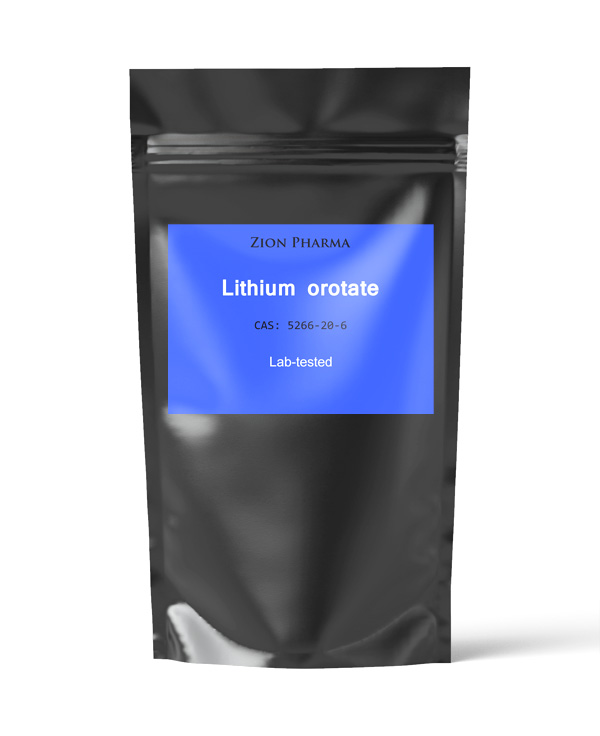
Lithium orotate
SKU: lithium-orotate
A micro spoon is added to Lithium orotate (0.025 ml) = 18 mg (approximately).
For precise measurement, we recommend using a laboratory scale.
The product is not intended for human use. For collectors, hobbyists, education and research.
Lithium orotate consists of lithium bound to orotic acid, a natural substance involved in nucleotide synthesis. As a lithium form, it has gained attention for its neuroprotective and mood-stabilizing effects over the recent years. Pharmacologically active at much lower doses than prescription lithium due to greater cell membrane permeability, it helps achieve therapeutic lithium concentrations in the brain with as little as 5 – 20 mg elemental lithium (compared with the corresponding range of over 100 mg for citrate and carbonate forms), which accounts for its unique safety profile.
Orotic acid acts as a carrier, enhancing lithium’s entry into cells (including neurons) without excessive serum buildup, largely mitigating the risk of kidney injury, a matter of substantial concern with high-dose prescription lithium. Lower doses translate into fewer side effects, including lower likelihood of thyroid function suppression, and do not necessitate frequent blood monitoring,
Advantages of lithium orotate go beyond mood stabilization; at low doses, it demonstrates nootropic benefits that are not always apparent with high-dose lithium: it upregulates BDNF and enhances neurogenesis, reduces oxidative stress, and supports mitochondrial function. It has been found to stabilize mood swings, reduce impulsivity, aggression and compulsive tendencies in ADHD and ASD, via serotonin/dopamine modulation. Lithium indirectly supports dopamine stability, which is critical for ADHD, bipolar, and ASD emotional dysregulation; while lithium carbonate is better suited for “hard” mood stabilization (acute mania or suicidal ideation), orotate seems ideal for managing subclinical mood swings, neuroinflammation or irritability and might work particularly well in neurodivergent conditions.
Its effects on glutamate /GABA balance might attenuate sensory overload, reduce anxiety and augment antidepressants. Its capacity to upregulate anti-apoptotic proteins could potentially have positive impact on stress resiliency. As for cognitive benefits, animal studies link lithium orotate with improved hippocampal neurogenesis. Via GSK-3β inhibition (a pro-inflammatory kinase implicated in ASD and neurodegeneration), it is believed to serve a neuroprotective role against Alzheimer’s and tauopathies in general.