Description
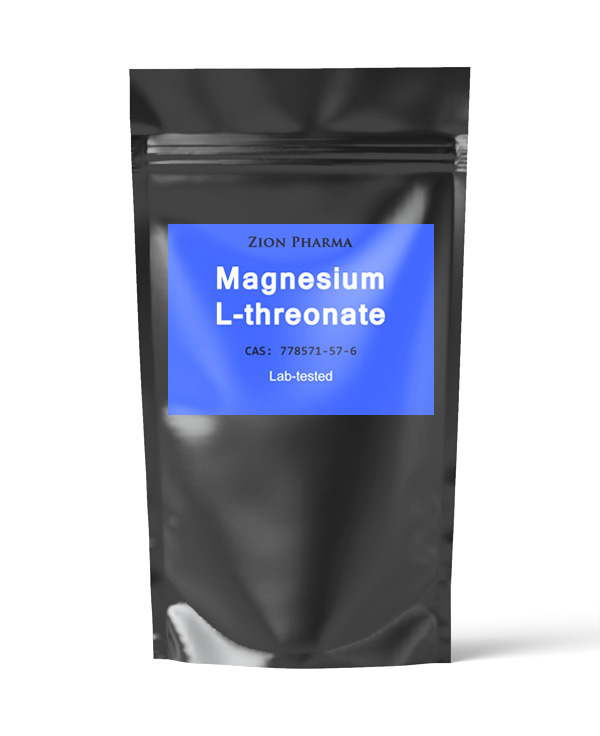
Magnesium l-threonate
SKU: magnesium-l-threonate
For precise measurement, we recommend using a laboratory scale.
The product is not intended for human use. For collectors, hobbyists, education and research.
Magnesium L-threonate (MgT) is a unique form of magnesium that has gained attention for its potential nootropic and neuroprotective effects, particularly due to its ability to cross the blood-brain barrier more efficiently than other magnesium compounds. MgT is a chelated form of magnesium bound to L-threonic acid, which facilitates higher magnesium uptake into the brain compared to other forms (e.g., magnesium citrate or oxide). As a critical cofactor for NMDA receptor function, magnesium plays key role in learning and neuroplasticity. MgT is the only form of magnesium that has been proven to provide nootropic benefits postulated in theory; animal studies confirm its positive impact on synaptic density and learning curve. MgT may also promote BDNF (brain-derived neurotrophic factor) signaling, supporting neuronal growth and connectivity.
Certain studies suggest that its prolonged use is linked with enhanced executive function, increased learning speed and greater working memory volume. It is believed to possess neuroprotective properties, potentially reducing neuroinflammation, oxidative stress, and preventing amyloid plaque accumulation. Magnesium deficiency is common in ADHD, and MgT may help regulate dopamine and glutamate signaling, improving focus and reducing hyperactivity, and its calming effects (via GABA modulation) might counteract insomnia and normalize sleep patterns. Furthermore, its NMDA-modulating effects might help with sensory processing and emotional regulation in Autism Spectrum Disorder; preliminary evidence also suggests that magnesium facilitates cognitive flexibility. Through HPA axis Modulation, MgT can potentially reduce cortisol and improve stress resilience, possibly also enhancing antidepressant effects of SSRI drugs. By regulating NMDA and GABA, it may support mood regulation, reduce hyper-excitability and fear conditioning, relevant for depression and PTSD. MgT may delay the onset of neurodegenerative changes by improving synaptic density.
In fact, recent evidence suggests that magnesium modulates glutamatergic dysfunction in psychosis; normalizing its levels could therefore affect the course of schizophrenia.