Description
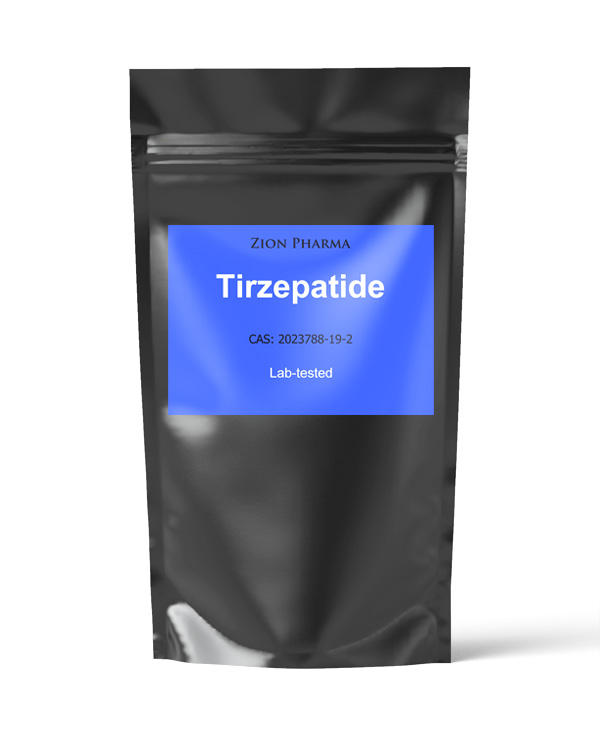
Tirzepatide
SKU: tirzepatide
A micro spoon is NOT added to tirzepatide
The product is not intended for human use. For collectors, hobbyists, education and research.
Tirzepatide, the Sovereign of Signals is the benevolent ruler who re-educates desire.
Its efficacy for significant, sustained weight loss is its most dramatic off-label potential. It fundamentally changes the relationship with food for many, quieting the “food noise” and is therefore an invaluable ally for those struggling with obesity despite many attempts to lose weight with exercise and diet alone.
By addressing the core metabolic drivers (insulin resistance, weight), it shows profound potential to resolve liver inflammation and fibrosis in MASH (Metabolic Dysfunction-Associated Steatohepatitis), formerly called NASH. Early, speculative research is looking at its impact on dopamine reward pathways. In fact, it is very likely that it could “re-educate” desire not just for food, but for other addictive substances by modulating the reward signal itself.
The link between metabolic health and brain health (e.g., Alzheimer’s as “Type 3 Diabetes”) makes it a compelling candidate for investigating cognitive protection.
The SURPASS clinical trial program consistently showed not just superior glycemic control and weight loss of tirzepatide vs. other agonists (like semaglutide), but also impressive improvements in blood pressure and lipid profiles. This suggests a comprehensive cardiometabolic overhaul, not just a single-target effect.
The most common side effects are overwhelmingly gastrointestinal, stemming from its primary action: nausea, vomiting, diarrhea, constipation, and dyspepsia. These are often dose-dependent and can be managed by slow titration. Like all incretin mimetics, there is a low risk of pancreatitis. Patients are warned about severe abdominal pain, this effect, however, occurs marginally and is heavily dose dependent.
It is vital not to combine tirzepatide with other diabetic medications like insulin or sulfonylureas unless directed otherwise by a medical professional due to the risk of hypoglycemia.