Description
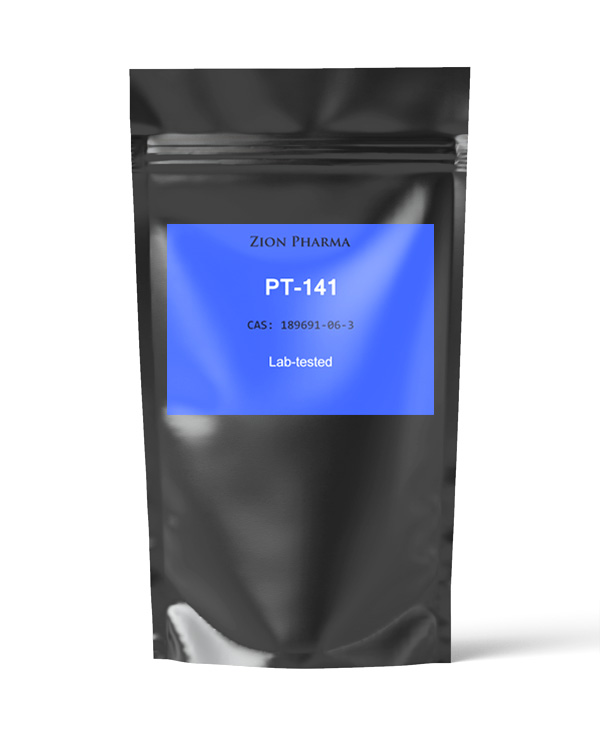
PT-141
We store our PT-141 at about -15°C.
SKU: pt-141
A micro spoon is NOT added to PT-141
The product is not intended for human use. For collectors, hobbyists, education and research.
PT 141, known as bremelanotide, is a synthetic peptide hormone utilized in the treatment of sexual dysfunction across both genders. In contrast to therapies whose spectrum of activity is limited to the vascular system, PT-141 also operates on the central nervous system, actively stimulating sexual desire, targeting the fundamental issue of diminished libido.
The mechanisms of action of PT-141 peptide involve the stimulation of melanocortin receptors located within the brain, which enhances sexual desire, proving advantageous for those experiencing challenges with low libido or sexual performance. By raising oxytocin levels, it facilitates and deepens emotional bonding, and could potentially aid men struggling with premature ejaculation. Furthermore, the peptide induces the release of nitric oxide, leading to the relaxation of penile muscles and an enhancement of blood flow to the sex organs, thereby addressing a major root cause of erectile dysfunction and aiding women who experience difficulties in achieving orgasm due to insufficient physiological arousal. PT-141 not only enhances blood flow to the sexual organs but also stimulates increased desire, resulting in improved sexual performance. Additionally, it holds the potential to elevate mood and contribute to overall well-being. This phenomenon can be attributed to the fact that individuals exhibit enhanced sexual performance when motivated by heightened desire, rather than solely relying on augmented blood flow, as observed with various other pharmacological treatments.
The treatment with PT-141 remained effective for the duration of a 52-week study in premenopausal women with hypoactive sexual desire disorder. Existing empirical data suggests that PT-141 can be an effective alternative for men who do not respond to PDE5 inhibitors, cannot take them, or whose sexual dysfunctions are of more complex nature. While it has not been studied in postmenopausal women, it is widely used off-label. Currently, this peptide is being investigated for potential benefits going beyond sexual health, such as weight management and cancer prevention.