


Description
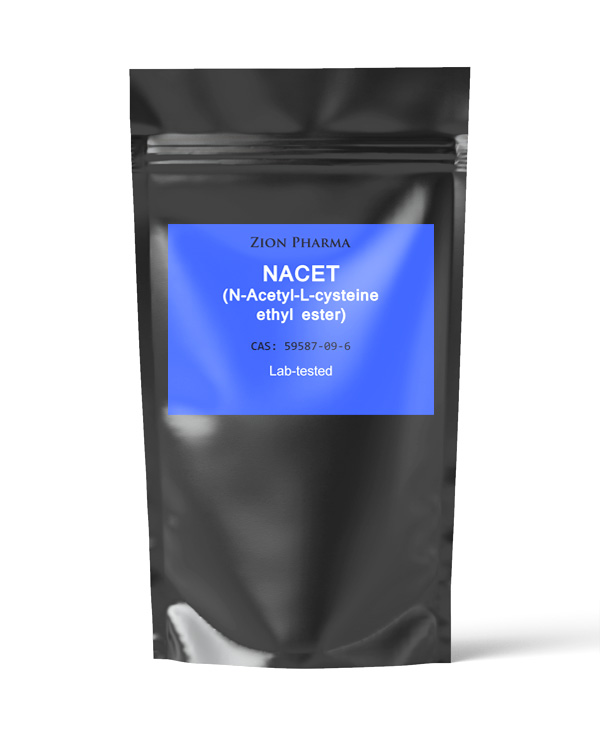
NACET (N-Acetylcysteine ethyl ester)
SKU: nacet
For precise measurement, we recommend using a laboratory scale.
The product is not intended for human use. For collectors, hobbyists, education and research.
NACET is the N-Acetyl-Cysteine ethyl esther, which is the precursor to glutathione, the single most powerful antioxidant naturally occurring in human body. Thanks to its ethyl esther form, it is more lipophilic (fat-soluble) than the original NAC, which allows for better absorption through the lipid membranes of cells, making it is up to 20 times more bioavailable, which translates into more potent antioxidant effects.
By increasing glutathione levels, NACET helps protect cells from oxidative damage, which is important for maintaining cellular health and preventing the damage related to aging. It is vital for supporting the detoxification process in the liver; in fact, NAC has long been used in the treatment of acetaminophen poisoning. Apart from being a precursor to glutathione, NAC exhibits antioxidant properties of its own, directly scavenging free radicals. NACET, through its conversion to NAC, may influence the levels of various neurotransmitters in the brain. It is believed to prevent glutamate excitotixicity and help in the restoration and maintenance of healthy balance of monoamine neurotrasmitters – dopamine and serotonin, affecting mood, motivation and cognition.
NAC has also been shown to modulate the production of certain cytokines, which are signaling molecules that mediate and regulate immunity, inflammation, and hematopoiesis. Thanks to its action as a mucolytic agent, it is particularly useful in conditions like chronic obstructive pulmonary disease (COPD), bronchitis and chronic sinusitis.
Furthermore, studies show that NAC might play an important role both in the treatment and prevention of COVID-19 infection, overcoming the cognitive symptoms of “long COVID”, counteract abdominal obesity and dissolve kidney stones.
Anecdotal reports indicate that it may also lessen anxiety and alleviate the symptoms of obsessive-compulsive disorder (OCD) and reduce drug cravings. It might also improve executive function in autism and ADHD.
 OUT OF STOCK