


Description
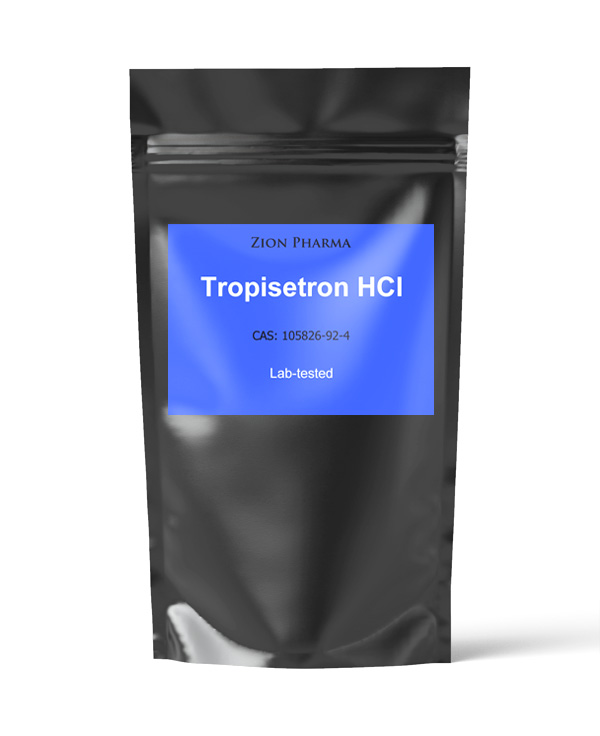
Tropisetron HCl
SKU: tropisetron
A micro spoon is added to Tropisetron (0.025 ml) = 15 mg (approximately).
For precise measurement, we recommend using a laboratory scale.
The product is not intended for human or animal use. For collectors, hobbyists, education and research.
Tropisetron is a 5-HT₃ (serotonin) receptor antagonist. It was primarily developed and is clinically used as a potent anti-emetic (anti-nausea drug), particularly for managing nausea and vomiting associated with chemotherapy and post-operative recovery.
Its potential cognitive effects stem from a more complex pharmacology than just blocking 5-HT₃. By blocking Tropisetron is a 5-HT₃ receptor antagonist. It was primarily developed and is clinically used as a potent anti-emetic (anti-nausea drug), particularly for managing nausea and vomiting associated with chemotherapy and post-operative recovery.
Its potential cognitive effects stem from a more complex pharmacology than just blocking 5-HT₃. By blocking these receptors, which are prevalent in the gut and brain, not only quells nausea but may also modulate dopaminergic and cholinergic neurotransmission in key brain regions like the hippocampus and cortex, potentially reducing anxiety and improving focus. Arguably, its most intriguing mechanism of action from neuropsychiatric point of view is α7-nicotinic acetylcholine receptor parartial agonism. By modulating the α7-nAChR, tropisetron can enhance cholinergic signaling, which is crucial for learning, memory, and attention. This action is also a primary target for new cognitive enhancers and treatments for conditions like schizophrenia. Furthermore, tropisetrom possesses anti-inflammatory effects – it appears to downregulate the release of pro-inflammatory cytokines (e.g., IL-1β, TNF-α). Since neuroinflammation is implicated in brain fog, fatigue, and several neuropsychiatric disorders, this action could contribute to a clearer mental state. Its pro-cholinergic and anti-inflammatory profile suggests potential for improving attention, reducing sensory overload, and mitigating anxiety, vital for neurodivergent conditions such as ADHD or autism spectrum disorder (ASD). Speaking of which, the α7-nAChR agonism is a known pathway of interest for improving cognitive flexibility in autism.
Anecdotally, those who take tropisetron often report a distinct, calm focus. Unlike stimulants, the focus is not “forced” but arises from a background of reduced mental chatter and physical anxiety. It is often described as “clean” and non-sedating. Furthermore, many reports highlight improved working memory, enhanced verbal fluency, and a smoother flow of thoughts. The effect is often subtle but noticeable, especially in environments that usually cause stress or distraction. Also, tropisetron might have normalizing impact on sensory processing in a profoundly beneficial way for autistic individuals, as it could help dampen hypersensitivity to sound, light, or touch.
 OUT OF STOCK